



Student Wellbeing & Support
We’re here to help you feel safe, supported, and ready to learn.
Willow is Haygrove’s wellbeing space. It’s a calm, safe place where you can talk, get support, or take a moment to reset. Whether you are feeling overwhelmed, anxious, upset, or just need someone to listen, the Wellbeing Team is here for you.

Why might I visit wellbeing?
Students come to Willow for many different reasons, including:- Past trauma or emotional upset: Time with an emotionally available adult (EAA) to talk, process feelings, and understand what’s happened. Sessions on the teenage brain and self‑esteem are often helpful.
- Anxiety or social anxiety: Support with worries, panic, or feeling overwhelmed in social situations.
- Friendship issues: Help navigating fallouts, communication, and rebuilding confidence.
- Transition worries: Support for students finding the move from primary to secondary school difficult.
- Feeling upset during the school day: Students may be brought to Willow by their Head of Year, teachers, PFSA, or Student Services.
- Reintegrating back into school / EBSA: Gentle support for students returning after absence or struggling to attend.
- Low mood: A safe space to talk about how you’re feeling and learn strategies to cope.
- Social media issues: Support with online conflict, pressure, or digital wellbeing.
What Support Can I Access at Haygrove?
Willow is a quiet, supportive space open to all students. You can come to Willow:- If a teacher sends you because you’re upset or distressed
- Before school if you arrive feeling anxious
- At break or lunchtime if you need a calm space
- To talk to someone who will listen without judgement
Types of support available:
|
Walk‑in Support |
A quick check‑in with a member of the team. This might include listening, signposting, or giving you tools to help you cope. |
|
Wellbeing Sessions |
A chance to talk more deeply about how you’re feeling, get advice, and work on strategies to improve your wellbeing. |
|
ELSA Sessions |
Emotional Literacy Support to help you understand your feelings, build confidence, and develop coping skills. |
Additional Support We Can Refer You To
Sometimes you may need more specialist help. Willow can refer you to:
|
Support through Low‑Intensity Cognitive Behaviour Therapy (LiCBT). |
|
|
School Counselling (In Charley’s Memory) |
A trained counsellor can help you understand your feelings and develop healthy coping skills. Their service is confidential. They also offer drop-in sessions on a Monday Lunchtime for anyone who wants to talk. |
|
School Nurse |
Advice on health, development, and wellbeing. |
|
School Chaplain – Patrick Weld |
A friendly, confidential listening ear for anyone in the school community. |
|
CAMHS (Child & Adolescent Mental Health Service) |
For students who need more specialist mental health support. |
Mental Health signposting
Not ready to talk yet? That’s okay.
If you’re finding it hard to come to Willow but you know you’re struggling, this section helps you find information and support.
Below is a list of common concerns. Click on the title to find out more about each one:
Mental-Health-signposting (ID 1100)
-
Addiction
-
Anger
-
Anxiety
-
Bullying
-
Dating and relationships
Dating and relationships
Dating and relationships advice | Mental health | YoungMinds
-
Eating Disorders
-
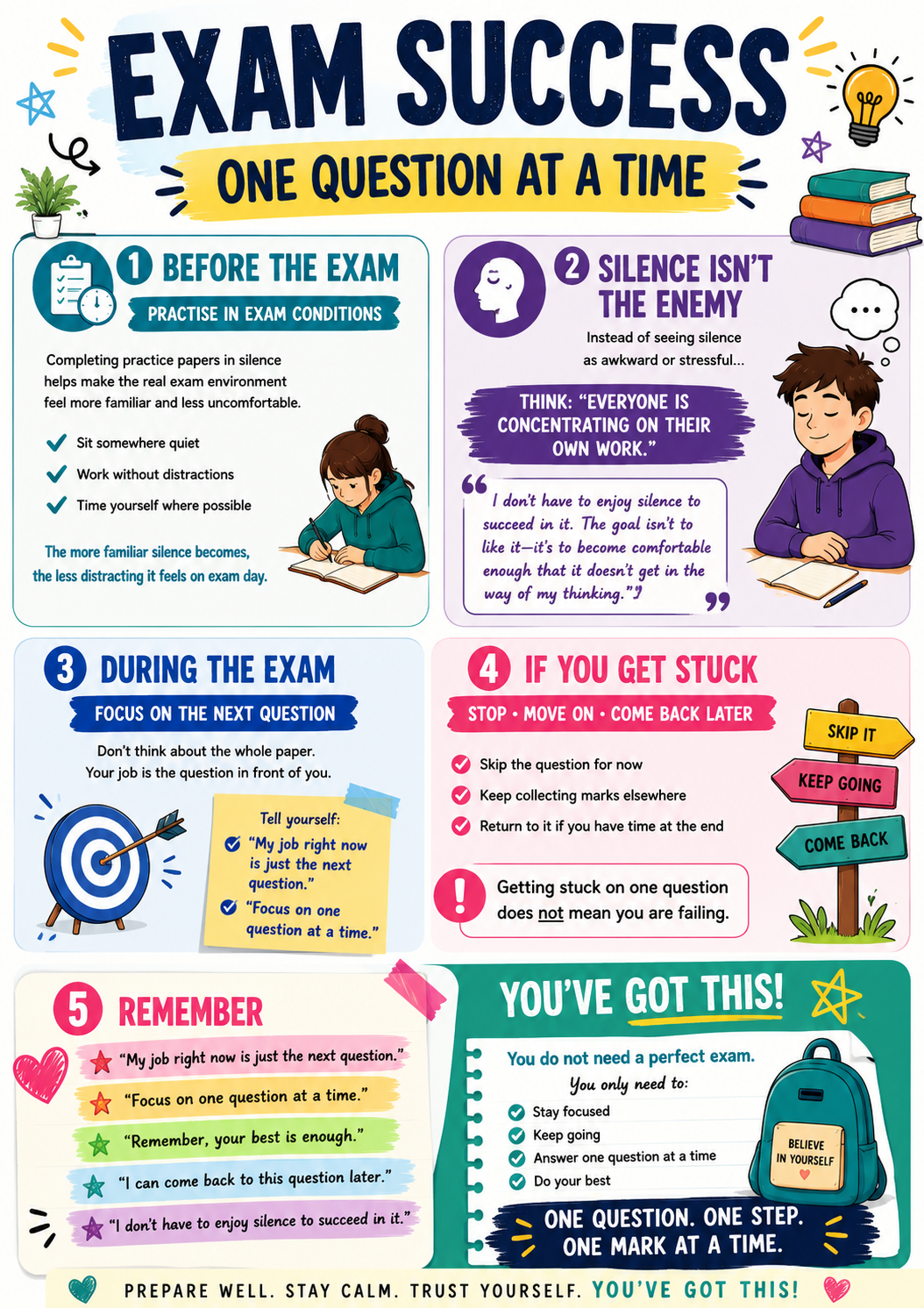
Exams
Exams
-
Feelings and emotions
-
Friendship issues
-
Grief and Loss
-
Loneliness
-
Low mood
-
Online safety & Gaming
-
Panic Attacks
-
Self-harm
Self-harm
Somerset children & young people : Health & Wellbeing : Self Injury
Self-harm: Ask Sam | Childline
Self-harm | Advice for young people | Get help | YoungMinds
Self-Injury Toolkit (parents, carers, professionals):
https://www.cypsomersethealth.org/self_injury
Open Mental Health – training & support:
https://openmentalhealth.org.uk/cyp-self-harm-awareness-for-frontline-practitioners
NHS – getting help for self-harm:
https://www.nhs.uk/mental-health/feelings-symptoms-behaviours/behaviours/self-harm/getting-help
Cambridgeshire & Peterborough NHS guide for parents:
https://www.cpft.nhs.uk/self-harm-
NSPCC self-harm advice:
https://www.nspcc.org.uk/keeping-children-safe/childrens-mental-health/self-harm
Self harm support programmes:
Alumina | Selfharm 7 week online support programme
https://harmless.org.uk Harmless (training & info) This is a great organisation which offers training and support for anyone affected by self-harm:
https://www.cypsomersethealth.org/?ks=&page=selfharm_and_mental_health_elearning_modules_by_harmless Somerset e-learning modules by Harmless
Useful self-harming apps:
Home - Calm Harm App Calm Harm is a free app that helps you manage or resist the urge to self-harm. (must be 13 years and over)
distrACT | Waiting Room App to access self-harm&suicide prevention information
Webinar:
https://youtu.be/CJVd8lVXFHw?si=5L59LfZ8XvY8Q3gf NHS - This an hour-long webinar to support with understanding and responding to self-harm
-
Sleep problems
Sleep problems
-
Social media worries
Social media worries
-
Stress
-
Sexuality
-
Sexual Health
Sexual Health
-
Suicidal thoughts and feelings
Suicidal thoughts and feelings
Suicidal thoughts and feelings | Help For Young People | YoungMinds
Other useful services:
- Every Mind Matters - NHS Supports a wide range of wellbeing concerns.
- Childline is a free, private and confidential service that you can access online and on the phone - Childline | Free counselling service for kids and young people | Childline
- Shout: The UK's free, confidential, 24/7 mental health text service | Shout 85258
- Find out more about 1:1 support - Kooth - Live chat or message
Emergency Help
If you ever feel unsafe or worried about your own safety or someone else’s, please speak to a trusted adult immediately. You are not alone.
You can also use SHARP.
Speak to Childline.